What Does it Taste Like?

Parsnips offer a complex flavor profile that's sweet yet nutty, with a subtle hint of spiciness. Their texture is smooth and slightly creamy when cooked, much like a cross between a carrot and a potato. Raw, they have a firm and crunchy bite, but once roasted, boiled, or mashed, they become tender and velvety.

Varieties we grow

No items found.

Why Should I Eat It?

Parsnips are not only delicious but also packed with nutrients. They are an excellent source of dietary fiber, which aids in digestion and helps maintain a healthy weight. Rich in vitamins C and K, parsnips support immune function and bone health. Additionally, they provide essential minerals like potassium and manganese, which are crucial for heart health and metabolic function.
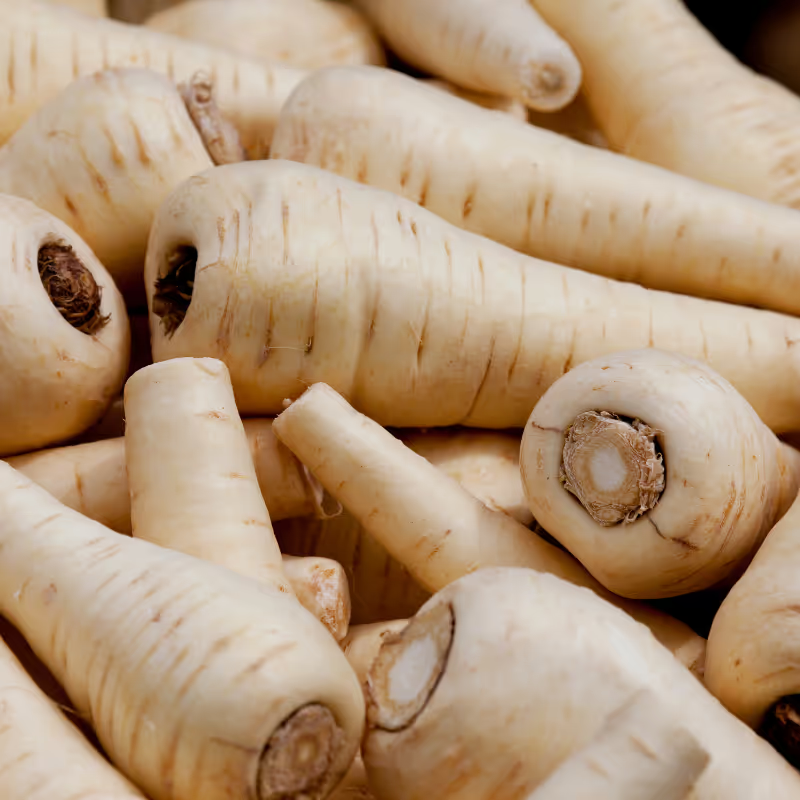
Parsnips

July - December

Imagine biting into a root vegetable that bridges the sweet earthiness of carrots with the comforting starchy texture of potatoes. Enter the parsnip, a humble yet delightful vegetable that often flies under the radar. With its creamy white flesh and delicate flavor, parsnips are a hidden gem in the culinary world, ready to add a unique twist to your favorite dishes.

Recommended Storage

How Do I Store It?

Short Term

  • Refrigeration: Place parsnips in a plastic bag with some holes for ventilation and store them in the crisper drawer of your refrigerator. They will stay fresh for up to two weeks.
  • Cool, Dry Place: Alternatively, store parsnips in a cool, dry place such as a cellar. Keep them in a perforated bag or a container with ventilation. They can last for up to a month when stored properly in these conditions.
  • Long Term

  • Freezing: Blanch parsnip slices in boiling water for 2-3 minutes, then plunge them into ice water before draining and freezing.
  • Pickling: Slice parsnips and pickle them in a vinegar-based brine for a tangy, crunchy treat.
  • Canning: Pressure canning is the only safe method for parsnips to ensure safety and longevity.
  • Dehydrating: Thinly slice parsnips and dehydrate them for a crunchy snack or a convenient addition to soups and stews.
  • How Do I Cook It?

  • Roasting: Cut parsnips into sticks or cubes, toss with olive oil and seasonings, and roast at 425°F for 25-30 minutes until caramelized.
  • Boiling and Mashing: Boil peeled and chopped parsnips until tender, then mash with butter and seasoning for a creamy side dish.
  • Soup and Stews: Add chopped parsnips to soups and stews to impart a subtle sweetness and enrich the flavor of the broth.
  • Parsnip Fries: Slice parsnips into thin strips, toss with olive oil and spices, and bake at 425°F until crispy.
  • Sautéing: Sauté diced parsnips in a pan with olive oil and seasonings for a quick and flavorful side dish.
  • What Goes Well With It?

  • Herbs: Thyme, rosemary, sage, and parsley complement the natural sweetness of parsnips.
  • Spices: Nutmeg, cinnamon, and black pepper enhance their nutty flavor.
  • Root Vegetables: Carrots, potatoes, and sweet potatoes blend well with parsnips for a hearty dish.
  • Fruits: Apples and pears add a sweet and tangy contrast to the parsnip’s flavor.
  • Garlic and Onions: These add depth and savory notes to parsnip dishes.
  • Back to Top Arrow