Kale has a slightly bitter and earthy flavor that can vary depending on the variety and freshness. Some types of kale, such as curly kale, have more pungent and peppery notes, while others, such as dinosaur kale, have a sweeter and nuttier taste. The texture of kale is also different depending on how you prepare it. Raw kale can be tough and chewy, but it becomes softer and more tender when cooked. Kale can also be crispy and crunchy when roasted or baked.
Arun
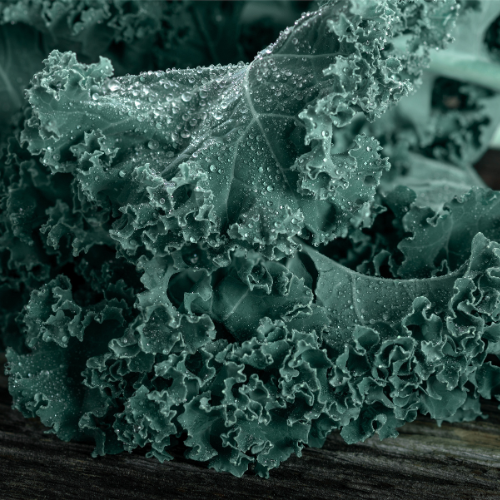
A curly kale with dark blue-green leaves and a mild, gently sweet flavor. Its sturdy texture makes excellent kale chips, while the balanced bitterness works well both raw in salads and cooked into soups and stews.
The term super food gets tossed around a lot, but kale is one food that has definitely earned this title. Its one of the most nutrient-dense foods you can eat.

If you’re looking for a way to add more highly nutritious greens to your diet, look no further than kale. Kale is a leafy vegetable that belongs to the same family as cabbage, broccoli, and Brussels sprouts. It has been cultivated for centuries and is widely used in many cuisines around the world. Kale is not only delicious, but also nutritious. It is rich in vitamins, minerals, antioxidants, and fiber that can benefit your health in many ways.


The best way to store kale depends on how you plan to use it and how long you want to keep it. Here are some general tips for storing kale:
Kale has a strong and distinctive flavor that can pair well with many other ingredients. Here are some of the best flavor pairings for kale:

