Brussels sprouts have a unique flavor profile that can vary depending on how they're prepared. Raw, they have a slightly bitter taste with a crisp, crunchy texture. When cooked, they develop a delightful sweetness and nuttiness, with a tender, yet firm texture. Roasting them enhances their natural sweetness, while boiling or steaming retains a more subtle, earthy flavor.
Brussels sprouts are brimming with health benefits. They are an excellent source of vitamins C and K, which support immune function and bone health, respectively. These little vegetables also offer a good amount of fiber, aiding in digestion and promoting a healthy gut. Additionally, Brussels sprouts contain folate, crucial for DNA synthesis and repair, and are rich in antioxidants that help combat oxidative stress and reduce inflammation. Including Brussels sprouts in your diet is a simple way to boost your overall health and well-being.
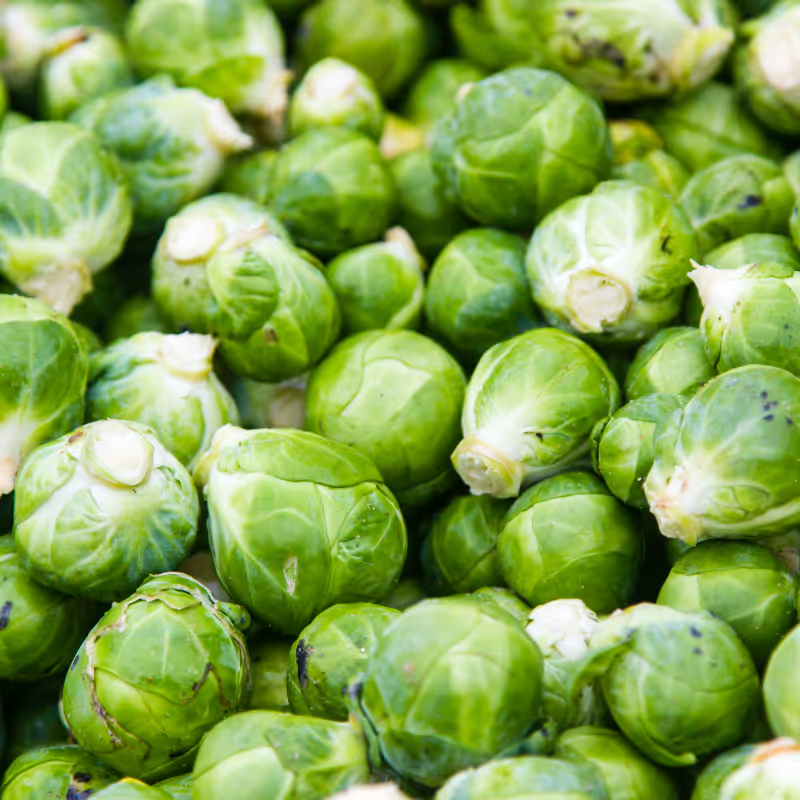
Imagine a vegetable that can transform from a humble side dish into the star of your meal, captivating even the pickiest of eaters. Enter Brussels sprouts, the tiny green globes that pack a mighty punch. These mini cabbages, often unfairly maligned, have undergone a culinary renaissance, proving themselves to be versatile, delicious, and nutritious. With the right preparation, Brussels sprouts can be your new favorite ingredient, turning skeptics into devoted fans. Let's dive into the world of Brussels sprouts and uncover the secrets to making them shine.


For short-term storage, keep Brussels sprouts in the refrigerator. Place them in a perforated plastic bag or a breathable container to maintain their freshness. They should stay fresh for up to a week.

